Home Loan for Self-Employed & Business Owners 2026

A self-employed professional or business owner can borrow to buy a home just as a salaried person can, but the lender looks at the file differently. Where a salaried applicant offers a payslip, a self-employed borrower offers a business, and income that rises and falls with the trade. That variability is not a barrier; it simply means the case is built on tax returns and banking rather than a fixed salary. For a doctor, trader, consultant or founder buying in Kompally, understanding how lenders read business income makes the loan far easier to secure.
This guide explains how lenders assess self-employed income, the documents you should keep ready, what strengthens your application, and how the process differs from a salaried loan. Eligibility rules, the income a lender will consider and the paperwork required vary between banks and change over time, so treat this as the general framework and confirm the current criteria with your chosen lender before you apply.
How Lenders Assess Business Income
For a salaried borrower, income is largely the salary. For a self-employed applicant, the lender looks at the profit the business or profession earns, read from income-tax returns over the past few years, supported by the financial statements and bank statements that show money actually flowing through the accounts. Lenders favour income that is stable or growing rather than erratic, and they generally consider the profit after expenses rather than the gross turnover. A consistent, well-documented earnings record is the single biggest factor in how much you can borrow.
Documents You Will Usually Need
Because the income proof is different, the paperwork is more detailed than for a salaried loan. Alongside identity and address proof and the property papers, a self-employed borrower is typically asked for income-tax returns for the past few years, the business financials, bank statements for the business and personal accounts, and proof that the business exists and has run for a reasonable period. Professionals may be asked for their qualification or practice certificate. The exact list varies by lender, so ask for it early and prepare it fully.
| What lenders look at | Why it matters |
|---|---|
| Income-tax returns (past few years) | The primary evidence of steady, declared income. |
| Business financial statements | Show profitability and the health of the business. |
| Bank statements | Confirm real cash flow and repayment capacity. |
| Business vintage / continuity | A track record of running for some years reduces perceived risk. |
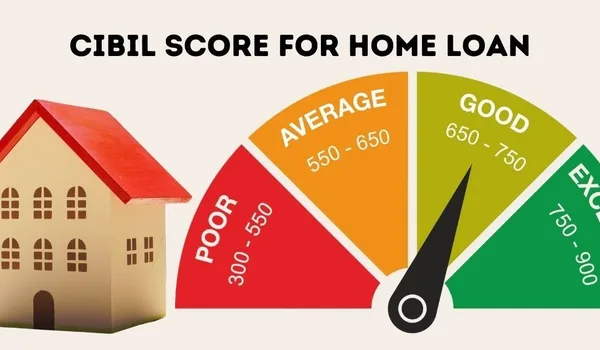
| Credit score and existing dues | Repayment history and current obligations affect eligibility. |
| Own contribution | Lenders fund a portion of the value; you bring the rest. |
General guidance for orientation. The exact documents, the income considered and the eligibility criteria vary by lender and change over time; confirm the current requirements with your bank.
What Strengthens Your Application
A few habits make a self-employed file much stronger. File your tax returns on time and let your declared income reflect the true profit of the business, since lenders lend against what is on record. Keep business and personal banking clean and consistent, reduce other loans and card dues before you apply, and maintain a healthy credit score. A larger own contribution reduces the amount you need to borrow and reassures the lender. To see how the credit side is judged, read our guide to CIBIL score and home loan eligibility, which applies to every borrower.
How It Differs from a Salaried Loan
The loan product is broadly the same; the assessment is what differs. A salaried borrower proves income with a payslip and Form 16, while a self-employed borrower proves it through returns, financials and banking, so the documentation is heavier and the lender studies consistency over several years. Some lenders may view business income as carrying more variability and calibrate the offer accordingly. None of this prevents a strong self-employed applicant from getting a good loan; it simply rewards clean records and preparation.
After the Loan: Rate and Repayment
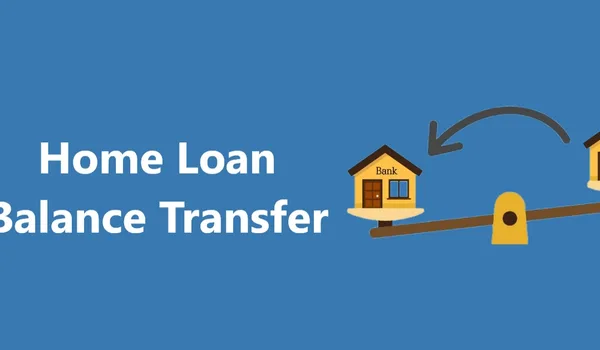
Once sanctioned, a self-employed borrower manages the loan like anyone else, and the same choices apply. Whether to take a fixed or floating rate is covered in our note on fixed versus floating interest rates, and if a better rate appears later you can consider a balance transfer to another lender. Business income can be lumpy, so keep a buffer for the monthly instalment and use surplus quarters to prepay where it makes sense. Managing repayment well also keeps your record clean for future borrowing.
How This Fits Your Home Purchase in Kompally
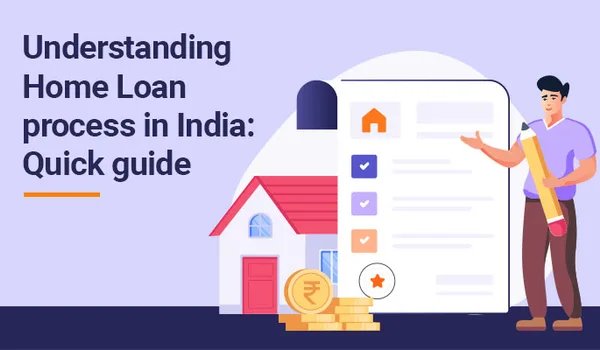
For a self-employed buyer, the loan is often the step that needs the most preparation, so start it early. Get your returns, financials and banking in order, check your eligibility with a lender before you shortlist, and keep your own contribution and registration cost ready. When you plan a purchase at Prestige Kompally, work through the full financing path in our home loan guide, and a self-employed application becomes as straightforward as a salaried one.