Fixed vs Floating Home Loan Interest Rate 2026
When you take a home loan, one early decision shapes every instalment that follows: whether your interest rate is fixed or floating. It is easy to gloss over as a technicality, but over a loan that can run two decades the choice affects how much you pay, how predictable your budget is, and how easily you can prepay. For a buyer financing a home in Kompally, understanding the trade-off helps you pick the structure that fits your income and your appetite for risk rather than simply accepting the default on offer.
This guide explains what fixed and floating rates mean, how a floating rate actually moves, the pros and cons of each, and the hybrid option some lenders provide. Interest rates and product terms differ between lenders and change over time, so treat the descriptions here as the general framework and confirm the current rates, spreads and conditions with your bank before you decide.
What Fixed and Floating Rates Mean
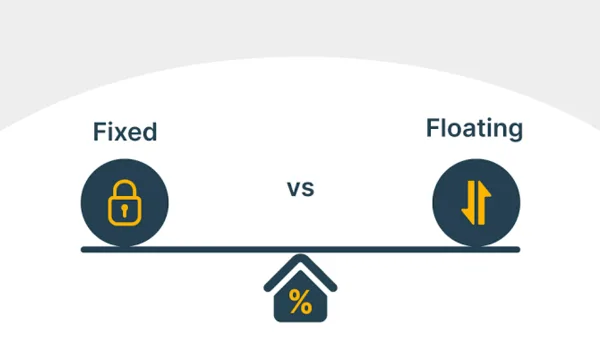
A fixed rate stays the same for a defined period, so your equated monthly instalment is predictable regardless of what happens in the wider economy. A floating rate is tied to an external benchmark and moves up or down as that benchmark changes, which means your instalment or your loan tenure can change during the term. Most floating home loans today are linked to an external benchmark such as the repo rate, under what lenders call an external benchmark lending rate, so the rate resets periodically in line with it.
| Feature | Fixed rate | Floating rate |
|---|---|---|
| Rate over time | Stays constant for the fixed period | Moves with the benchmark it is linked to |
| EMI predictability | Predictable, easy to budget | Can rise or fall over the term |
| Starting rate | Often a little higher | Often a little lower to begin with |
| If rates fall | You do not benefit during the fixed period | Your rate and cost can reduce |
| If rates rise | You are protected during the fixed period | Your cost can increase |
| Prepayment charges | May apply on fixed-rate loans | Typically nil on floating-rate loans for individuals |
General comparison for orientation. Actual rates, spreads, reset frequency and prepayment terms vary by lender and change over time; confirm the current position with your bank.
The Case for a Floating Rate
Floating rates usually start lower than fixed rates and let you benefit when benchmark rates fall, which over a long tenure can be significant. A further advantage that matters for many borrowers is that floating-rate home loans to individuals generally carry no prepayment or foreclosure charges, so you can make part-prepayments or close the loan early without penalty. The trade-off is uncertainty: if benchmark rates rise, your instalment or your tenure grows, so you need enough room in your budget to absorb an increase.
The Case for a Fixed Rate
A fixed rate buys certainty. Your instalment does not change for the fixed period, which makes household budgeting simpler and protects you if rates rise. That security often comes at a slightly higher starting rate, and you do not gain if rates fall during the fixed term. Some fixed-rate products are only fixed for a few years and then convert to floating, and fixed loans may carry prepayment charges, so read exactly how long the rate is fixed and what happens afterwards.
Hybrid Options and How to Choose
Some lenders offer a hybrid or part-fixed, part-floating structure, where the rate is fixed for an initial period and floats thereafter, aiming to combine early certainty with later flexibility. Which route suits you depends on your circumstances: if you value predictable instalments, are on a tight budget, or expect rates to rise, a fixed or hybrid structure has appeal; if you can absorb some variation, want the lower starting cost, and value penalty-free prepayment, a floating rate often works out well. Match the choice to your income stability and your plans to prepay.
How This Fits Your Home Purchase in Kompally
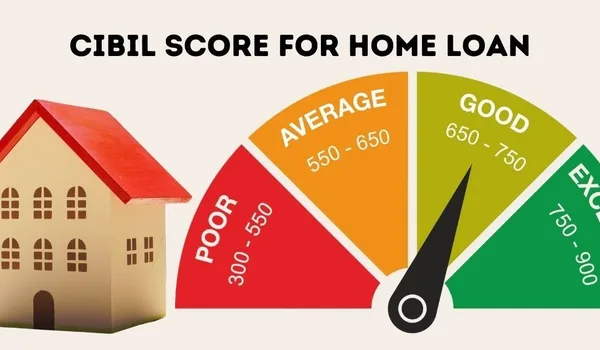
Your rate type is one part of a larger financing picture. Work through how a loan is sanctioned in our home loan guide, check how your CIBIL score and eligibility influence the rate you are offered, and see how repayment can reduce your tax in our guide to home loan tax benefits. When you finance a home at Prestige Kompally, compare offers on rate type as well as headline rate, and read our home buying guide for the complete process.