CIBIL Score & Home Loan Eligibility 2026
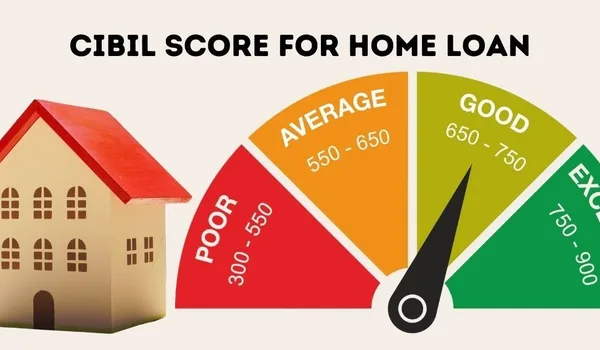
Before a lender agrees to fund your flat, it asks a simple question: how reliably have you repaid borrowed money in the past, and how much can you comfortably repay now? Your credit score, often referred to by the CIBIL score, answers the first part, and your income and existing obligations answer the second. Together they decide whether your home loan is approved and how much you are offered. For a buyer planning a purchase in Kompally, checking these well before you apply can be the difference between a smooth sanction and a last-minute shortfall.
This guide explains what a credit score is, why it matters to a home loan, the main factors that decide your eligibility, and practical steps to strengthen your profile before you apply. Scoring models, cut-offs and lending norms vary between lenders and change over time, so use this as general guidance and confirm the current criteria directly with your bank or housing finance company.
What a Credit Score Is
A credit score is a three-digit number generated by a credit bureau from your borrowing history, reflecting how you have handled loans and credit cards. It is built from your record of repayments, the amount of credit you use, the length of your credit history and how often you have applied for new credit. Lenders read a higher score as lower risk, which usually means a smoother approval and access to the lender's better rates, while a lower or thin score can lead to a smaller loan, a higher rate or a request for additional comfort such as a co-applicant.
Why It Matters for a Home Loan
A home loan is a large, long-tenure commitment, so lenders lean heavily on your credit record before sanctioning one. A strong score signals that you have repaid past dues on time and are likely to keep doing so, which supports both the approval decision and the interest rate you are offered. It is worth pulling your own credit report before you apply, checking it for errors, and clearing any small overdue amounts, because correcting a mistake or settling a stray due can lift your score before a lender ever looks at it.
What Decides Your Home Loan Eligibility
Your credit score is only one input. Lenders assess your repayment capacity from your income, your existing loans and card dues, your age and remaining working years, your employment stability and the value of the property itself, since they fund only a portion of it and expect you to bring the rest as your own contribution. The table below sets out the main factors and why each one matters.
| Factor | Why it matters |
|---|---|
| Credit score | Reflects past repayment behaviour; a higher score supports approval and better pricing. |
| Income and obligations | Your income minus existing EMIs decides how much fresh EMI you can service. |
| Age and tenure | Remaining working years cap how long the loan can run, which affects the amount. |
| Employment stability | A steady job or established business reassures the lender about future income. |
| Property value | Lenders fund a portion of the value; the balance is your own contribution. |
General factors only. The exact weightings, cut-offs and funding ratios differ by lender and change over time. Confirm current eligibility criteria with your bank or housing finance company.
How Much Loan You Can Expect
Lenders cap your loan two ways at once. First, they fund only part of the property's value and expect you to pay the rest from your own savings, so a larger down payment reduces the loan you need. Second, they limit your total monthly repayments to a share of your income, so if you already carry other EMIs, the room for a fresh home loan EMI shrinks. Clearing or reducing existing loans before you apply can therefore raise the home loan you qualify for, sometimes more than a small change in your score would.
Practical Ways to Improve Your Profile
The most reliable improvements are unglamorous but effective: pay every EMI and card bill on time, keep your credit card usage well below its limit, avoid making several loan applications in a short span, and do not close old accounts needlessly, since a longer history helps. Check your credit report for errors and get them corrected, and clear small overdue balances that may be quietly dragging your score down. These steps take a few months to reflect, so start before you begin house-hunting rather than after you have chosen a flat.
How This Fits Your Purchase at Prestige Kompally
Knowing your score and eligibility early lets you shop within a realistic budget and negotiate from a position of strength. Work through the borrowing steps in our home loan guide, understand the deductions your loan can earn in our note on home loan tax benefits, and remember the buyer's tax step at payment in our guide to TDS on property purchase. When you are ready to plan a home at Prestige Kompally, line up your finances first, and read our home buying guide for the full journey.