Home Loan Balance Transfer 2026
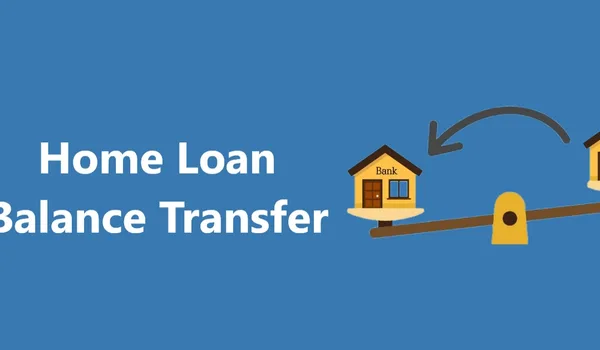
A home loan is rarely the same deal for its whole life. Rates move, lenders compete, and a loan that looked competitive when you signed can slip behind newer offers a few years later. A balance transfer is the tool that lets you respond: you move the outstanding balance of your loan from your current lender to a new one that offers a lower rate or better terms. For a buyer repaying a home in Kompally, understanding when a transfer helps and when the costs outweigh the saving can be worth a meaningful sum over the remaining tenure.
This guide explains what a balance transfer is, why borrowers switch, the costs to weigh, when the maths works in your favour, the top-up option, and the steps involved. Rates, fees and eligibility differ between lenders and change over time, so treat this as the general framework and confirm the current figures with both your existing and prospective lender before you decide.
What a Home Loan Balance Transfer Means
In a balance transfer, sometimes called refinancing, the new lender pays off your outstanding balance with your current lender and takes over the loan on fresh terms. Your original loan is closed, the charge on the property moves to the new lender, and you begin repaying the new lender instead. The usual motivation is a lower interest rate, but a transfer can also give you a longer or shorter tenure, a switch from a fixed to a floating structure, or access to a better service. What it does not change is the amount you still owe: only the terms on which you repay it.
Why Borrowers Switch
The most common reason is rate: even a modest reduction in interest, applied to a large balance over many remaining years, can reduce your total outgo noticeably. Others switch to lower their instalment by extending tenure, to shorten tenure while keeping the instalment similar, or to consolidate a top-up alongside the transfer. If your income or credit profile has improved since you first borrowed, you may now qualify for a rate you could not command earlier. It is worth reviewing your loan periodically against current offers rather than assuming the rate you started with is still fair.
The Costs to Weigh
A transfer is not free, and the fees decide whether it is worthwhile. The new lender typically charges a processing fee, and there can be legal and valuation charges, along with fresh documentation and, where applicable, stamp duty on the new mortgage. On floating-rate home loans to individuals, the existing lender generally cannot levy a foreclosure or prepayment penalty, which helps, but you should confirm this for your specific loan. Weigh the total switching cost against the interest you expect to save over the remaining tenure; a transfer makes sense only when the saving clearly exceeds the cost.
| Factor | Why it matters for a balance transfer |
|---|---|
| Rate difference | The larger the gap between your current and the new rate, the greater the potential saving |
| Stage in tenure | Earlier in the loan more interest remains, so a transfer saves more; late in the term the benefit shrinks |
| Outstanding balance | A larger balance magnifies the effect of a rate reduction |
| Switching costs | Processing, legal, valuation and any mortgage stamp costs reduce the net benefit |
| Foreclosure charge | Usually nil on individual floating-rate loans; confirm for your loan before you move |
| Credit profile | An improved score and income can unlock a better rate than you first received |
General orientation only. Actual rates, fees, eligibility and charges vary by lender and change over time; confirm the current figures with both your existing and the new lender.
When a Transfer Is Worth It
The maths favours a transfer most strongly when the rate gap is meaningful, the outstanding balance is large, and you are still relatively early in the tenure, because that is when most of the interest is yet to be paid. As the loan matures and the balance falls, the same rate reduction saves less, and at some point the switching cost stops being justified. A simple test is to estimate the interest you would save over the years remaining and compare it with the total cost of switching. If the saving comfortably clears the cost, a transfer is worth pursuing; if it is marginal, staying put may be the better call.
The Top-Up Option
Many lenders offer a top-up loan alongside a balance transfer, letting you borrow an additional amount over and above the transferred balance, typically at a rate close to the home loan rate and often cheaper than an unsecured personal loan. Borrowers use a top-up for home improvement, furnishing or other needs. It does increase your total borrowing and instalment, so treat it as a considered decision rather than an automatic add-on, and confirm the rate and end-use conditions with the lender.
How to Make the Switch
Start by comparing offers and confirming the rate, fees and eligibility with prospective lenders. Obtain a foreclosure statement and a list of your original documents from your current lender, apply to the new lender with your income and property papers, and let the new lender complete its legal and valuation checks. On approval, the new lender disburses the amount to close your existing loan, the property documents and the charge move across, and your repayment begins with the new lender. Keep the closure letter and updated documents for your records.
How This Fits Your Home Purchase in Kompally
A balance transfer sits within the wider financing picture. If you are still arranging finance, work through how a loan is sanctioned in our home loan guide, understand the rate structures in our guide to fixed versus floating rates, and see how your CIBIL score and eligibility shape the rate you can command. When you finance a home at Prestige Kompally, review your loan every few years against current offers, and read our home buying guide for the complete process.