Property Title Verification Guide Telangana 2026

Before any money changes hands, one question matters more than price, view or floor: does the seller actually own a clear, marketable title to the property, free to pass it to you? Title verification is the due-diligence process that answers it. It looks behind the current sale document to the history of ownership, the approvals on the land, and any claims or charges that could later surface. For a buyer purchasing a home in Kompally, a careful title check is the single best protection against a dispute that can be expensive and slow to unwind after you have paid.
This guide explains what a clear title means, the documents that make up the title trail, the checks a buyer should insist on, and why a lawyer's legal opinion is worth the fee. Procedures, records and requirements can change, so treat this as the general framework and have a property lawyer verify the specific title before you commit.
What a Clear Title Means
A clear or marketable title means the seller has full, undisputed ownership and the legal right to sell, and that the property is free of undisclosed claims, mortgages, court cases or restrictions that would prevent a clean transfer. Verification is about establishing that with documents rather than assurances. It differs from a single certificate: it is a review of the whole ownership history and the approvals on the property, drawing on several records together to form a view that the title is safe to buy.
The Mother Deed and Chain of Title
The mother deed, sometimes called the parent document, is the earliest available document that traces how the property first came into a chain of ownership. The chain of title is the unbroken sequence of documents that follows, recording each transfer from one owner to the next up to the present seller. A buyer, through a lawyer, should be able to follow this chain without gaps: every change of hands should be supported by a registered document, and any break or missing link is a warning that needs explaining before you proceed.
Link Documents and Supporting Records
The registered deeds that connect the mother deed to the current owner are the link documents, and they establish continuity of ownership. Alongside them, a full check looks at the encumbrance record to confirm there are no outstanding mortgages or charges, the property-tax receipts and revenue records to see who is assessed as the owner, and the approved layout and building plan to confirm the construction is authorised. For an apartment, the approvals granted to the project and the builder's own title to the land matter as much as the flat-level documents.
| Document / check | What it establishes |
|---|---|
| Mother deed | The origin of the ownership chain |
| Chain of title / link documents | Unbroken transfers from earlier owners to the current seller |
| Encumbrance record | Whether the property carries a mortgage, lien or other charge |
| Approved layout and building plan | That the land use and construction are sanctioned |
| Revenue records and tax receipts | Who is recorded and assessed as the owner |
| Legal opinion | A lawyer's considered view that the title is clear and marketable |
General checklist for orientation. The exact records and their names can vary by property and change over time; have a property lawyer confirm what applies to your purchase.
The Encumbrance and Litigation Check
A title can look clean on the deed yet carry a charge or a dispute in the background. Reviewing the encumbrance record over a reasonable past period shows whether the property is mortgaged or otherwise charged, and a lawyer can advise on searching for pending litigation that might affect it. If the property is or was mortgaged, confirm the loan is closed and the charge released before you buy. Our separate guide to the encumbrance certificate explains that specific record in detail; title verification uses it as one input among several.
Why a Legal Opinion Matters
The safest way to complete title verification is to have a property lawyer examine the documents and issue a written legal opinion on the title. The lawyer confirms the chain of title, flags any gap, encumbrance or approval issue, and states whether the title is clear and marketable. Lenders often require such an opinion before sanctioning a home loan against the property, which is an added safeguard for you. The fee is modest against the value at stake, and the opinion is your record that the title was checked before you paid.
How This Fits Your Home Purchase in Kompally
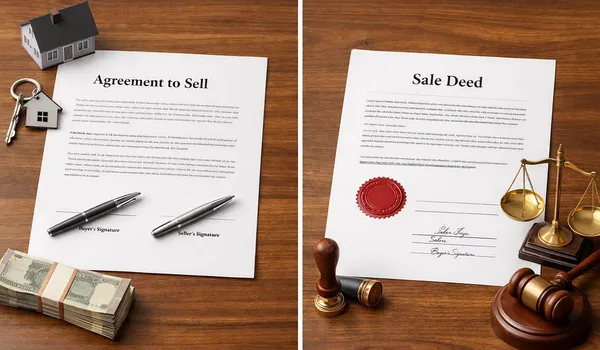
Title verification is the foundation the rest of the paperwork sits on. Once the title is confirmed clear, understand the documents that transfer it in our guide to the sale deed and agreement of sale, follow the property registration process at the Sub-Registrar, and use the Dharani portal for the state land-record checks it supports. When you buy at Prestige Kompally, verify the title with your own lawyer, and read our home buying guide for the full process.