Sale Deed vs Agreement of Sale in Telangana 2026
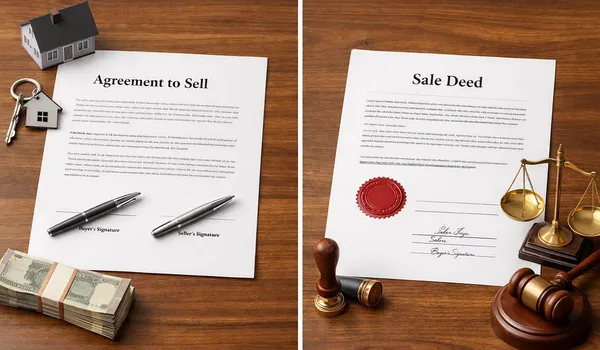
When you buy an apartment two documents come up again and again, and buyers often treat them as the same thing. They are not. An agreement of sale is the promise to sell that sets out the terms, the price and the timeline, while the sale deed is the document that actually transfers ownership into your name. Getting the difference clear saves confusion at every stage of a purchase in Kompally, from paying the booking amount to collecting the keys.
This guide explains what each document does, when it is signed, which one gives you legal title, and how stamp duty and registration apply to them in Telangana. It closes with what a buyer should check before signing. The points below are general in nature; property documentation can vary with the project and the parties, so have your own paperwork reviewed by a qualified property lawyer before you sign.
What an Agreement of Sale Is
An agreement of sale, sometimes called a sale agreement, is a contract in which the seller agrees to sell and the buyer agrees to buy on agreed terms at a future date. It records the price, the payment schedule, the possession timeline and the conditions that must be met before the sale is completed, such as clearing dues or obtaining approvals. Under the Transfer of Property Act, an agreement to sell does not by itself transfer ownership or create a right in the property; it creates an enforceable contract between the two parties. It is the stage at which you commit to the deal while the balance payment, loan disbursal and final checks are completed.
What a Sale Deed Is
The sale deed is the document that completes the transfer. It is executed when the full consideration has been paid, and on registration it conveys the title of the property from the seller to the buyer. Once the sale deed is signed, stamped and registered, you are the legal owner of the flat. Because it is the instrument that actually transfers title, the sale deed attracts stamp duty and must be registered with the Sub-Registrar, and it becomes the primary title document you keep for the life of your ownership.
| Point | Agreement of Sale | Sale Deed |
|---|---|---|
| What it does | Promise to sell on agreed terms | Transfers ownership to the buyer |
| When signed | Before the sale is completed | At completion, after full payment |
| Transfers title? | No, it is a contract to sell | Yes, on registration |
| Registration | May be registered or notarised as agreed | Compulsory registration |
| Buyer's position | Right to enforce the contract | Legal owner of the property |
General distinction for guidance only. Stamping and registration requirements can vary with the transaction; confirm the current position with the Sub-Registrar and your lawyer.
Why the Difference Matters to a Buyer
The distinction is not academic. Until the sale deed is registered you hold a contractual right to buy, not ownership, so possession, a receipt or an agreement alone does not make you the owner in law. This is why the sale deed is the document lenders, buyers and authorities rely on as proof of title, and why any conditions left open in the agreement of sale should be closed before you move to the deed. Reading the agreement carefully at the start, and confirming every condition has been met before execution, keeps the final transfer clean.
Stamp Duty and Registration on the Sale Deed
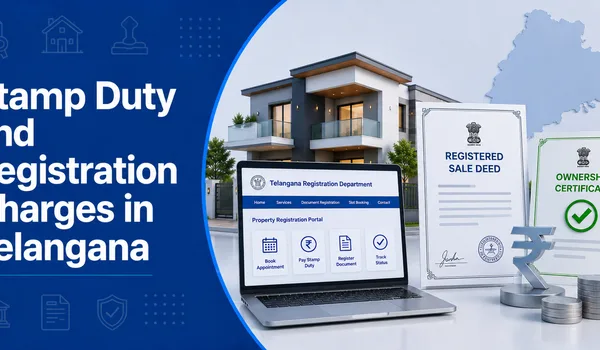
In Telangana the sale deed is the instrument on which the main stamp duty and registration charges fall, paid at the time of registration with the Sub-Registrar. Because these charges are calculated on the higher of the transaction value or the government value of the property, they are a real line in your closing costs. The mechanics, the components and the rates are covered in our guide to stamp duty and registration charges, which is worth reading alongside this one so the numbers are clear before you reach the registration stage.
What to Check Before You Sign
Before you sign either document, verify that the title is clean and free of dues, which you do through the encumbrance certificate, and confirm the project itself is registered on the regulator, which you can check with our guide on how to verify RERA approval. Match the names, the property description and the area against the approved plan, and ensure every payment condition in the agreement is met before the deed is executed. For a flagship project such as Prestige Kompally, the developer's team handles the standard documentation, but the checks remain your responsibility. For the full sequence of a purchase, read our home buying guide before you commit.