How to Verify RERA Approval in Telangana 2026
A general buyer guide for 2026. Always check the live registration status of any specific project on the official portal before booking.
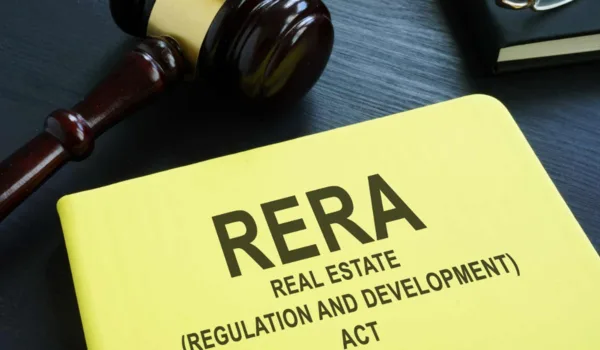
Before you pay a single rupee towards an apartment in Kompally, one check protects you more than any other: confirming the project is registered with the Telangana Real Estate Regulatory Authority. RERA registration means the promoter has filed approved plans, land title, a project timeline and quarterly progress with the regulator, and that your money is governed by law rather than a brochure promise. Skipping this check is how buyers end up in stalled or unapproved projects.
This guide walks through how to verify a project's RERA status yourself in Kompally and anywhere in the state, what each field on the portal tells you, and the warning signs to act on. It takes only a few minutes and needs no login.
What RERA Registration Actually Confirms
The Real Estate (Regulation and Development) Act requires most residential projects above a small size threshold to register before they can be advertised or sold. When a project is registered, the regulator has on record its approved layout, sanctioned plans, promoter details, carpet-area definitions, the committed completion date and a dedicated project bank account. The promoter must then upload quarterly updates. For a buyer, that turns vague marketing into verifiable, dated facts you can hold the developer to.
Bottom line: a valid registration is your legal proof that the project's plans, timeline and finances are on public record.
Step-by-Step: Verify a Project on the TS-RERA Portal
Registration in Telangana is handled by TS-RERA, and the public search is free to use. Follow these steps in order.
| Step | What to do | What it tells you |
|---|---|---|
| 1. Open the portal | Go to the official Telangana RERA website and open the registered-projects search. | Confirms you are on the government source, not a listing site. |
| 2. Search the project | Search by project name, promoter name, district or the RERA registration number if you have it. | Whether the project appears at all. If it does not, treat that as a red flag. |
| 3. Check registration status | Confirm the status is active and the registration validity date has not lapsed. | That approval is current, not expired or withdrawn. |
| 4. Match the details | Compare promoter name, project location, tower and unit count against what the sales team told you. | That the brochure matches the filing, with no quiet changes. |
| 5. Review documents | Open the approved plans, layout and the quarterly progress updates. | Real, dated build progress instead of promises. |
| 6. Check complaints | Look for any orders or complaints listed against the promoter. | The developer's track record on delivery and disputes. |
Portal layout and field names can change; use the official site as the final word.
Bottom line: a genuine project appears in the search with an active status, matching details and uploaded progress.
Reading the Registration Number
Every registered project is issued a unique RERA number that the developer must display on advertisements, the sales office and booking paperwork. Always cross-check the number printed in your documents against the record shown on the portal, character for character. A number that appears on a hoarding but returns nothing on the portal, or that maps to a different project or promoter, is a serious warning. Ask for the number in writing and verify it before paying any booking amount.
Bottom line: the number on your paperwork must match the live portal record exactly.
Red Flags and Pre-Launch Projects
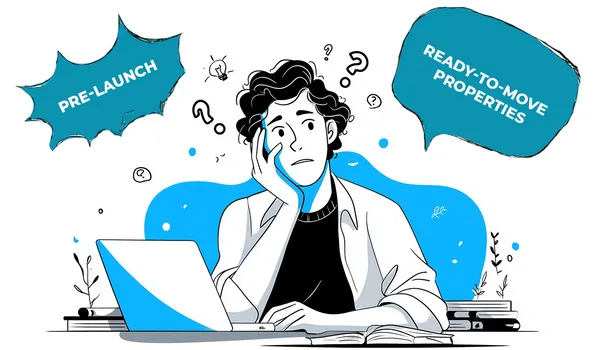
Some genuine projects are marketed before registration is granted, especially at the pre-launch stage. That is not automatically wrong, but it changes your risk: until a number is issued, there is no regulated record to fall back on, so you are relying entirely on the developer's credibility. If a project is pre-launch, ask directly when registration is expected, keep booking amounts modest, insist on official receipts, and re-verify once the number is issued. Kompally's flagship pre-launch, Prestige Kompally by the Prestige Group, is one such project whose registration is pending, so a buyer should confirm the RERA number on the portal once it is published.
Bottom line: pre-launch can be legitimate, but until a number is issued you carry more risk, so verify the moment it appears.
Why This Check Is Worth Your Time
A few minutes on the portal protects the largest purchase most families ever make. It tells you the plans are sanctioned, the timeline is committed, your money sits in a regulated account and the promoter's dispute history is visible. Pair it with the usual paperwork checks on title, approvals and the sale agreement, and read a broader home buying guide before you commit. For projects already registered in the area, see the RERA-approved projects guide.
Bottom line: verifying RERA is the cheapest insurance a homebuyer can buy, so never skip it.