Property Registration Process in Telangana 2026

Registration is the step that makes your ownership official in the eyes of the law. Paying the seller and receiving the keys does not, on its own, transfer legal title; the sale deed has to be registered at the Sub-Registrar office under the Registration Act before ownership passes to you and becomes part of the public record. For anyone buying a flat in Kompally, understanding this process removes most of the anxiety around the final leg of a purchase, because you know exactly what happens on registration day and what you should carry with you.
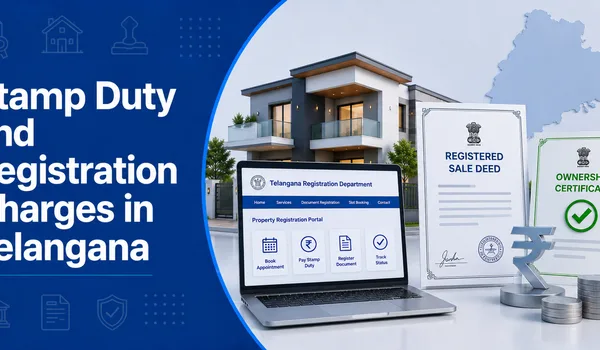
This guide walks through what registration means, the practical step-by-step at the Sub-Registrar, the documents typically required, and where the fees fit in. Procedures, forms and portal features are set by the state and can be revised, so treat the sequence below as an orientation and confirm the current requirements with the Sub-Registrar office and your lawyer before your appointment.
What Property Registration Actually Does
Registration records the transfer of a property from one owner to another in the government's registers. Once the sale deed is registered, it becomes a legally enforceable document and the transaction is reflected in the public land records, which protects you against competing claims. Registration is compulsory for the sale of immovable property above a low value threshold, and an unregistered sale deed generally cannot be used as evidence of ownership, which is why this step is never optional on a genuine purchase.
The Step-by-Step Registration Process
The exact screens and slot-booking details change as the state updates its systems, but the core sequence stays broadly the same. The steps below describe the typical flow for registering a sale deed in Telangana.
| Step | What happens |
|---|---|
| 1. Prepare the deed | The sale deed is drafted with the correct property details, parties and consideration, usually by a lawyer or document writer. |
| 2. Pay stamp duty and fees | Stamp duty, registration fee and any transfer duty are calculated on the higher of the sale value or the government market value, and paid as required. |
| 3. Book a slot | A registration appointment is booked with the relevant Sub-Registrar office through the state land-records system. |
| 4. Appear for registration | Buyer, seller and witnesses attend the Sub-Registrar office with originals and identity proof; photographs and biometrics are captured. |
| 5. Collect the registered deed | Once signed and endorsed, the registered sale deed is returned to you, completing the transfer of title. |
Indicative sequence for orientation. Slot booking, biometric steps and document lists are set by the state and can change. Confirm the current process with the Sub-Registrar office and your lawyer.
Documents You Usually Need
While the precise list depends on the property and the parties, buyers are generally asked for the executed sale deed, proof of stamp duty and fee payment, identity and address proof for buyer, seller and witnesses, recent photographs, and the prior title documents that establish the seller's ownership. For an apartment purchase from a builder, the sale deed is usually prepared by the builder's legal team, but you should still have your own lawyer read it before you sign.
Fees, Stamp Duty and the Market Value
The money paid at registration is made up of stamp duty, the registration fee and, where applicable, transfer duty, all calculated on the higher of your actual purchase price or the government's market value for that location. Because these charges are a significant part of your closing cost, it is worth understanding them in advance; our guide to stamp duty and registration charges breaks the components down, and the market value itself can be checked on the state portal, as explained in our note on the Dharani portal.
Before and After Registration
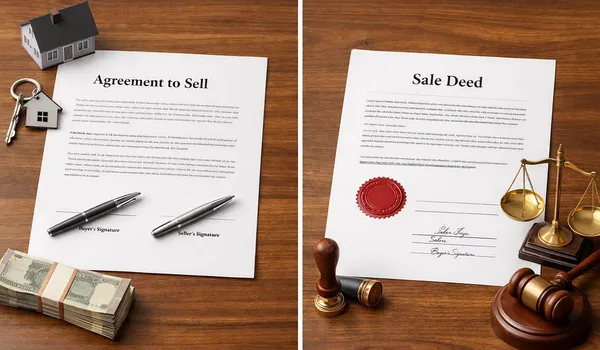
Registration is the legal transfer of title, but it is not the whole due-diligence picture. Before you register, confirm the document you are signing is the right one by reading our comparison of the sale deed and the agreement of sale, and verify the property is free of prior charges using an encumbrance certificate. After registration, remember that the municipal record still has to be updated in your name so that tax billing follows the new owner, a step covered in our guide to mutation and khata transfer.
How This Fits Your Purchase at Prestige Kompally
When you buy at Prestige Kompally, the builder's team will guide you to the Sub-Registrar for the deed registration, but the responsibility to check the deed and the numbers is yours. Read our home buying guide for the full sequence from booking to possession, and use this registration walkthrough so that the final, most important step of the purchase holds no surprises. For more buyer guides, visit the property guides blog.