Home Loan Prepayment & Foreclosure 2026
A home loan runs for many years, but you do not have to let it run its full course. Whenever you have surplus money, you can put it towards the loan and shrink either the interest you pay or the time you stay in debt. Doing this in part is prepayment; clearing the whole balance at once is foreclosure. For a buyer financing a home in Kompally, understanding how prepayment works, what it saves and what it costs helps you decide when to pay down the loan and when to keep your money working elsewhere.
This guide explains the difference between part-prepayment and foreclosure, how a prepayment cuts your cost, the choice between reducing your tenure and your instalment, the charges to watch for, and when paying early actually makes sense. Loan terms and charges vary by lender and product and change over time, so treat the figures and rules here as general and confirm the exact position for your loan with your bank.
Prepayment vs Foreclosure
Prepayment means paying more than your scheduled instalment so that the extra amount goes straight against the outstanding principal. You can do it as a one-off lump sum or as periodic part-payments whenever you have spare funds. Foreclosure, sometimes called pre-closure, means repaying the entire remaining balance in one go and closing the loan before the end of its term. Both reduce what you owe; the difference is simply whether you chip away at the loan or clear it entirely. Either way, the sooner you do it in the loan's life, the more you tend to save, because early instalments are mostly interest.
How a Prepayment Saves You Money
Interest on a home loan is charged on the outstanding principal, so every rupee you prepay stops accruing interest for the rest of the term. Because the early years of a loan carry the highest interest component, a prepayment made early in the tenure removes far more future interest than the same amount paid near the end. This is why even modest, regular part-payments in the first several years can meaningfully cut the total cost of the loan. The exact saving depends on your rate, balance and remaining term, so run your own numbers before deciding.
Reduce the Tenure or the EMI
When you make a part-prepayment on a floating-rate loan, the lender usually lets you keep the same instalment and shorten the tenure, or keep the tenure and lower the instalment. Keeping the instalment and cutting the tenure generally saves the most interest, because the balance falls faster. Lowering the instalment eases monthly cash flow instead. The table below sets out the trade-off in general terms.
| Option after a part-prepayment | What changes | Best when |
|---|---|---|
| Keep EMI, reduce tenure | You finish the loan sooner; interest saving is usually larger | You want to be debt-free faster and can keep paying the same amount. |
| Keep tenure, reduce EMI | Your monthly instalment falls; loan ends on the original date | You need to ease monthly cash flow. |
| Full foreclosure | The loan closes entirely and future interest stops | You have enough surplus and no better use for the funds. |
General comparison for orientation. The options a lender offers, and how they are applied, vary by lender and loan type and can change; confirm what applies to your loan with your bank.
Charges to Watch For
On floating-rate home loans taken by individuals, lenders generally cannot levy a prepayment or foreclosure penalty, so you can part-prepay or close early without a charge. Fixed-rate loans may carry prepayment charges, and some lenders apply conditions on how a prepayment is made, so read your loan agreement. If you are moving the loan to another lender for a better rate rather than closing it from your own funds, that is a different exercise, covered in our guide to a home loan balance transfer. Always confirm the current charges and any conditions with your lender before you pay.
When Paying Early Makes Sense
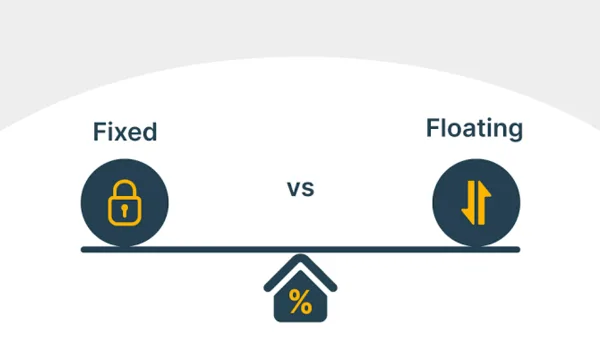
Prepayment is not automatically the best use of every spare rupee. Weigh the interest you would save against what the same money could earn elsewhere, and against keeping an emergency buffer. Remember too that a home loan can carry tax benefits, which we cover in our guide to home loan tax benefits, so factor those in before clearing the loan entirely. The rate type you hold also matters, since it affects both your cost and your prepayment flexibility, as we explain in fixed vs floating home loan interest rate. As a rule, prepaying early, on a high-rate or floating loan, with money you do not need for emergencies, tends to work well.
How This Fits Your Home Purchase in Kompally
Treat prepayment as a tool you use deliberately, not a race to be debt-free at any cost. Keep an emergency fund, make part-payments when you have genuine surplus, prefer cutting the tenure if your budget allows, and after any prepayment collect an updated repayment schedule so the reduced balance is on record. When the loan finally closes, obtain the closure letter and the released-charge confirmation from your lender. Plan the financing around your purchase at Prestige Kompally using our home loan guide so repayment fits your wider plan from the start.