Apartment Maintenance Charges & Society Fees Explained 2026

When buyers budget for a flat, they usually focus on the price, the loan and the one-time taxes, and forget the cost that continues every month after they move in. Maintenance charges keep a gated community running, paying for the security, cleaning, lifts, water and shared amenities that make apartment living what it is. For anyone choosing a home in Kompally, understanding what these charges cover and how they are set helps you compare projects honestly and avoid surprises at possession.
This guide explains what maintenance charges pay for, how they are calculated, the difference between recurring fees and one-time funds like the sinking and corpus fund, and who manages the money once you move in. Amounts and rules vary from one project to another and can change, so treat the figures and structures here as general orientation and confirm the specifics for any project with the builder or the residents' association.
What Maintenance Charges Cover
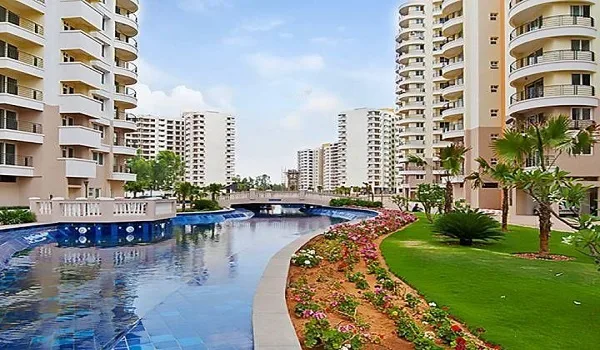
Maintenance charges fund the day-to-day upkeep of everything you share with your neighbours. Typically this includes security staff and surveillance, housekeeping of common areas, electricity for lifts, lighting and pumps, upkeep of the water supply and drainage, lift servicing, and the running of shared amenities such as the clubhouse, gym, pool and landscaped areas. In effect, every service that keeps the complex clean, safe and functional outside your own front door is paid for from the pooled maintenance fund.
How Maintenance Charges Are Calculated
Most projects charge maintenance either on a per-square-foot basis, so a larger flat pays more, or as a flat amount per unit, and some blend the two. A per-square-foot method is common in larger gated communities because it spreads costs fairly across different unit sizes. The rate depends heavily on the amenities on offer: a project with a large clubhouse, pool and extensive landscaping naturally costs more to run than a simpler development, which is a useful thing to weigh when a higher monthly outgo comes attached to facilities you may value.
| Charge | What it is | Frequency |
|---|---|---|
| Maintenance charge | Running cost of security, housekeeping, common utilities and amenities | Monthly or quarterly |
| Sinking fund | Reserve built up for major future repairs and replacements | Ongoing contribution |
| Corpus fund | One-time deposit collected at possession as a long-term reserve | One-time |
General structure only. The heads, rates and whether GST applies vary by project and can change. Confirm the exact charges for any project with the builder or residents' association.
Sinking Fund and Corpus Fund
Beyond the monthly charge, most communities build reserves for the future. A sinking fund is money set aside gradually for large, occasional expenses such as repainting the towers, overhauling lifts or repairing the underground tank, so the association is not forced to raise a sudden large levy when something big needs replacing. A corpus fund is usually a larger one-time amount collected at possession and kept as a long-term reserve. Both protect residents from lumpy costs, and both are normal to see in a well-run gated community.
One-Time Costs at Possession
At handover you are often asked for more than the first month's maintenance. Builders commonly collect an advance maintenance deposit covering the initial period before the residents' association takes over, along with the corpus fund and connection or meter deposits. These are one-time outgoings, but they can add up, so it helps to ask for the full list in writing before possession and to include it in your moving-in budget rather than being surprised on the day.
Who Manages the Money and GST
In the early phase after handover the builder or a facility management company usually runs maintenance, and over time control passes to a residents' welfare association formed by the owners, which then collects the charges and manages the budget. Note that goods and services tax can apply to maintenance where a member's monthly contribution and the association's turnover cross the prescribed thresholds; the rules here have changed over time, so confirm the current position with the association or a tax advisor rather than assuming.
How This Fits Your Purchase at Prestige Kompally
Maintenance is a recurring cost of ownership that sits alongside your loan and your annual property tax, so factor it in when you compare homes. Read how the annual civic tax works in our guide to GHMC property tax, weigh the wider monthly outgo in our note on the cost of living in Kompally, and see how amenities shape value in our roundup of the best gated community apartments. When you plan a home at Prestige Kompally, ask for the maintenance structure up front, and use our home buying guide to see where it fits in the overall cost.