Rent vs Buy in Kompally 2026: Which Is Smarter?
A general buyer guide for 2026. Run your own numbers with a bank or advisor before making a decision.
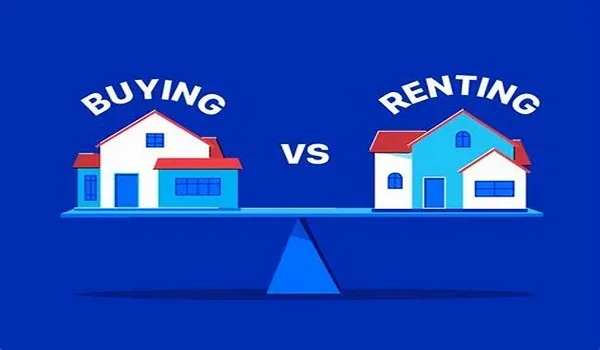
Rent or buy is one of the biggest money decisions a Kompally household makes in 2026. Renting keeps you flexible and light on upfront cost; buying builds an asset, ends rent forever and lets you benefit from any appreciation, but ties up a large down payment and commits you to years of EMIs. There is no single right answer. It turns out on how long you plan to stay, how stable your income is, and whether you value flexibility or ownership more.
This guide weighs the two honestly on cost, EMI, appreciation, flexibility and the break-even point, using Kompally as the setting, so you can make the call that fits your life rather than following a rule of thumb.
Rent vs Buy: Quick Comparison
The table below lays out the trade-offs before the detail.
| Factor | Renting | Buying |
|---|---|---|
| Upfront cost | Deposit and a month or two of rent | Down payment, registration and charges |
| Monthly outgo | Rent, usually lower than an EMI | EMI plus maintenance and property tax |
| Flexibility | High; move easily for work or family | Low; selling takes time and cost |
| Wealth | No asset built; rent is an expense | Builds equity; benefits from appreciation |
| Stability | Subject to landlord and rent hikes | Your own home, fixed cost after loan |
| Best for | Short stay, uncertain job, low savings | Long stay, stable income, ready savings |
Indicative comparison; your figures depend on rent, price, loan rate and how long you stay.
Bottom line: renting buys flexibility and low commitment; buying builds an asset and long-term stability.
The Cost Picture
In the short term renting is almost always cheaper. You pay a deposit and a monthly rent that is usually lower than the EMI on the same home, and you avoid the down payment, registration and buying costs entirely. Buying front-loads those costs and adds maintenance and property tax on top of the EMI. The catch is that rent only rises over time and buys you nothing you keep, while an EMI steadily converts your payments into ownership. Before committing to either, get a realistic read on local living costs from the cost of living guide.
Bottom line: renting wins on short-term cash flow; buying wins once you count the equity you build.
The Break-Even Point
The decision often comes down to one question: how long will you stay? Buying carries heavy one-time costs, so it takes several years of ownership before the equity you build and the rent you save outweigh those costs and the interest on your loan. Stay past that break-even point and buying pulls clearly ahead; sell before it and renting would have left you better off. As a working rule, the longer and more certain your stay in Kompally, the stronger the case for buying. If a job move or life change within a couple of years is likely, renting protects you from being forced to sell at a bad time.
Bottom line: a long, settled stay favours buying; a short or uncertain one favours renting.
Appreciation & Building Wealth
Ownership is also a way to build wealth. A homeowner benefits from any rise in property value and, once the loan is repaid, lives with only maintenance to pay, while a renter faces rent for life with nothing to show at the end. Kompally has drawn steady demand thanks to its NH-44 connectivity and growing infrastructure, which supports the case for owning here over the long run. Weigh the appreciation angle against the numbers in the price trends guide, and if you decide to buy, plan the loan carefully with the home loan guide.
Bottom line: buying turns a lifelong expense into an appreciating asset you eventually own outright.
Which Should You Choose?
Rent if you expect to move within a few years, your income or location is uncertain, or you have not yet built the savings for a down payment. Buy if you plan to settle in Kompally for the long term, your income is stable, and you can fund the down payment and EMI comfortably without straining your finances. For many families the honest answer is to rent while life is unsettled and buy once it steadies, and the sooner that stability arrives, the sooner ownership starts paying off. If buying, explore current options in the ready-to-move guide.
Bottom line: match the choice to your stay length, income stability and savings, not to a headline rent or EMI.